Friday, February 26, 2016

Beijing beats New York as world billionaire capital

BILLIONAIRE
Beijing has surpassed New York City to become the “billionaire capital of the world” with 100 resident billionaires to the US business and cultural capital’s 95, a survey showed.
The number of Beijing billionaires rose by 32 from last year, while New York’s tally rose by just four, according to the Hurun Report, a China-based publisher of luxury magazines and compiler of an annual list of the country’s richest people.
Moscow came in third, with 66 billionaires.
“Despite its own slowdown and falling stock markets, China minted more new billionaires than any other country in the world last year, mainly on the back of new listings,” said Rupert Hoogewerf, its chairman and chief researcher.
Different lists of the world’s wealthiest, including Forbes, Bloomberg and Hurun, produce different results based on varying methodologies.
Last year, Greater China surpassed the US to become home to the largest population of billionaires in the world, Hurun said in a previous October report.
Its new figures, released Wednesday, said that the region is now home to 568 billionaires — 90 more than last year — with a combined net worth of $1.4 trillion, a sum comparable to the GDP of Australia.
Just over 40 percent of the world’s billionaires under 40 reside in China, the report added.
In comparison, 535 billionaires call the US home — two fewer than last year.
China’s richest man, real estate and entertainment magnate Wang Jianlin, ranked 21st on Hurun’s list of the world’s richest people with a net worth of $26 billion, behind the likes of Microsoft founder Bill Gates, Facebook CEO Mark Zuckerberg and investor Warren Buffett.
Other Chinese billionaires on the list include Jack Ma, founder of Alibaba, and the heads of tech giants Tencent and Baidu, as well as the chief executives of leading beverage producer Wahaha and electronics company Xiaomi.

LG launches new smartphone to counter rival Samsung

lg samsung

South Korea’s handset maker LG on Sunday unveiled its first modular smartphone, the G5, in Barcelona in a bid to counter competition from its major rival Samsung.
The new premium model — made using different components that can be independently upgraded or replaced — comes with a removable battery and accessories such as virtual reality headset and a sound system developed by Danish firm Bang & Olufsen.
LG is banking on its G5 to counter competition from fellow South Korean Samsung, the world’s top handset maker that is due to unveil its own S7 smartphone on Sunday evening on the eve of the start of the Mobile World Congress, the top annual trade show for wireless devices.
The G5 will be launched at the same time on LG’s main markets, CEO Juno Cho told reporters in Barcelona, without detailing exactly where and when.
“We think smartphones’ best days are still ahead,” said Juno Cho, despite slowing growing demand that saw rival Samsung’s fourth quarter net profits drop and Apple’s iPhone sales rise slower than ever in the same period.
Meanwhile LG’s parent company LG Electronics’ net profit halved last year on the back of a global economic slowdown and increased competition in the mobile sector.

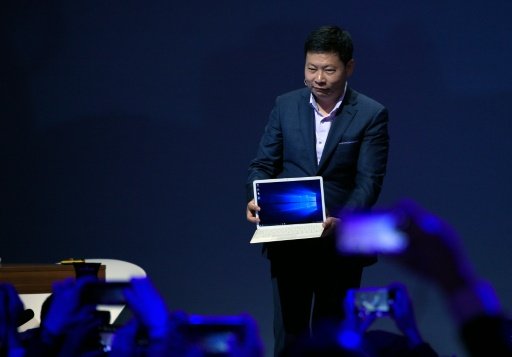
#Gadgets: Introducing Huawei’s first personal computer

huawei thinmate
Chinese electronics giant Huawei on Sunday unveiled its first personal computer, a convertible tablet aimed at the premium business market that will compete with Apple’s iPad Pro and the Microsoft Surface.
The thin MateBook has a 12-inch pixel display, weighs just 640 grammes (1.4 pounds) without the keyboard although it looks heavier, and has a battery life of ten hours under standard use.
“Business people need a long lasting battery,” said Richard Yu, Huawei’s consumer devices chief, as he unveiled the new device in Barcelona on the eve of the start of the Mobile World Congress, the top annual trade show for wireless devices.
The tablet fastens to its keyboard case using magnets and it features a fingerprint reader.
The entry-level model with 128 GB storage starts at 799 euros ($890) in Europe with the top model coming in at 1,799 euros.
Yu said last month that Huawei hoped to overtake US rival Apple and Korea’s Samsung to become the world’s leading maker of smartphones in “three or four years.”
It is seeking to shed its budget supplier image to target higher-margin premium models.
The firm became the first Chinese handset vendor to sell more than 100 million smartphones in a year in 2015, as it defied a market slowdown thanks to strong sales domestically and in Western Europe.
Huawei, founded by former Chinese army engineer Ren Zhengfei, boosted its global smartphone market share to 7.7 percent in the third quarter behind Samsung and Apple, according to research firm Gartner.
It launched its first Android device in 2009 to complement its main business of making networking equipment.

Top 20 Cities With The Most $ Billionaires

Beijing has officially overtaken New York City as home to the most billionaires.
According to Hurun, a Shanghai firm that releases yearly rankings and research about the world’s richest people, the Chinese capital has an even 100 billionaires in 2016, while the Big Apple has 95.
“Beijing took the title from New York after minting 32 new billionaires last year, while New York gained four,” Gerry Shih of the Associated Press reports. “Rupert Hoogewerf, the founder of Hurun, attributed China’s explosive wealth creation to Chinese market regulators allowing a flood of new initial public offerings after holding back new IPOs for several years.”
(Source – Business Insider)

20. New Delhi, India

Number of billionaires in 2015: 17
Number of billionaires in 2016: 20
city1

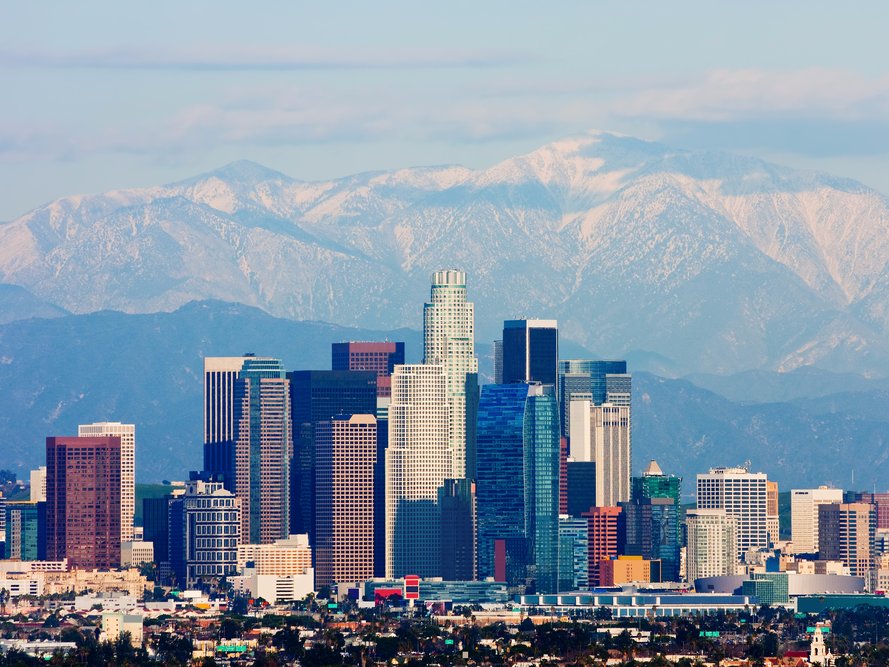
19. Los Angeles, California

Number of billionaires in 2015: 22
Number of billionaires in 2016: 21
city2

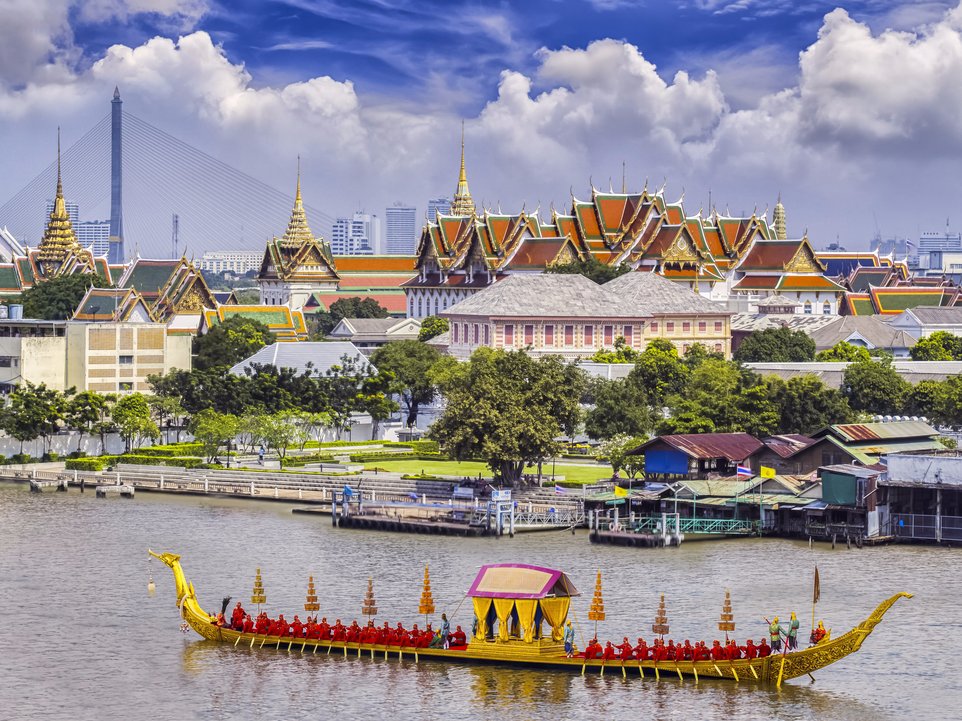
18. Bangkok, Thailand (TIE)

Number of billionaires in 2015: 27
Number of billionaires in 2016: 24
city3

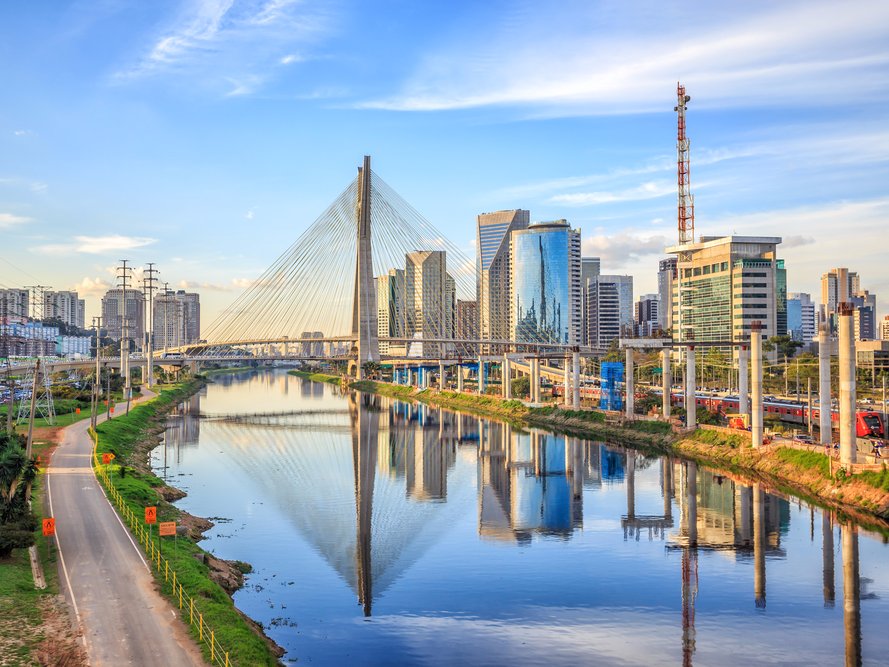
17. Sao Paulo, Brazil (TIE)

Number of billionaires in 2015: 30
Number of billionaires in 2016: 24
city4

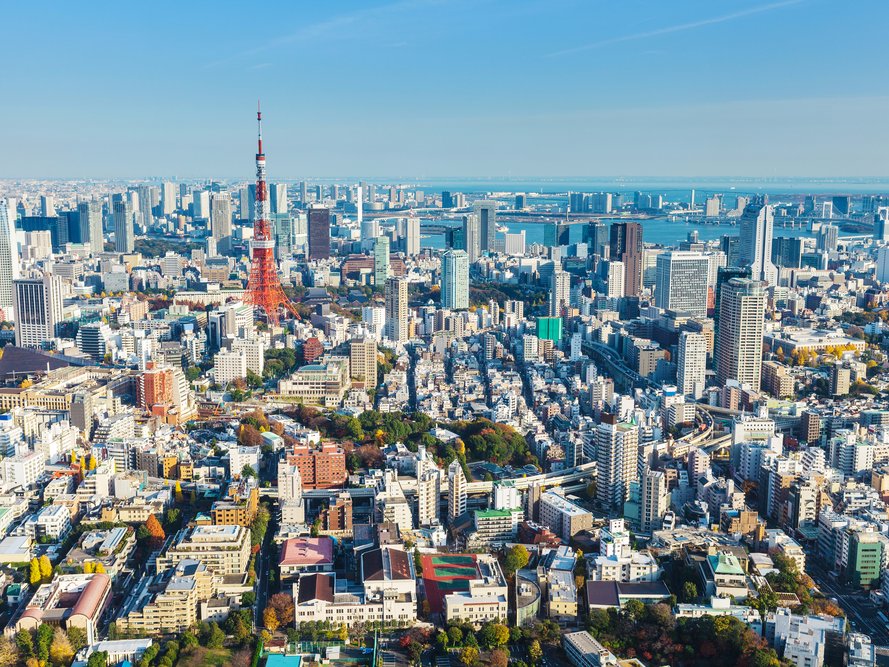
16. Tokyo, Japan

Number of billionaires in 2015: 28
Number of billionaires in 2016: 26
city5

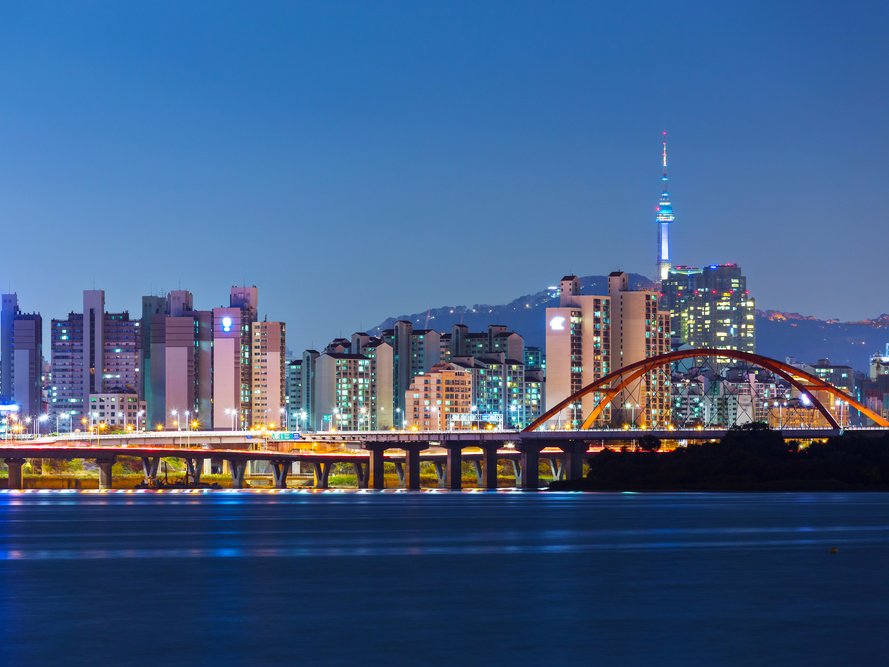
15. Seoul, South Korea (TIE)

Number of billionaires in 2015: 28
Number of billionaires in 2016: 27
city6

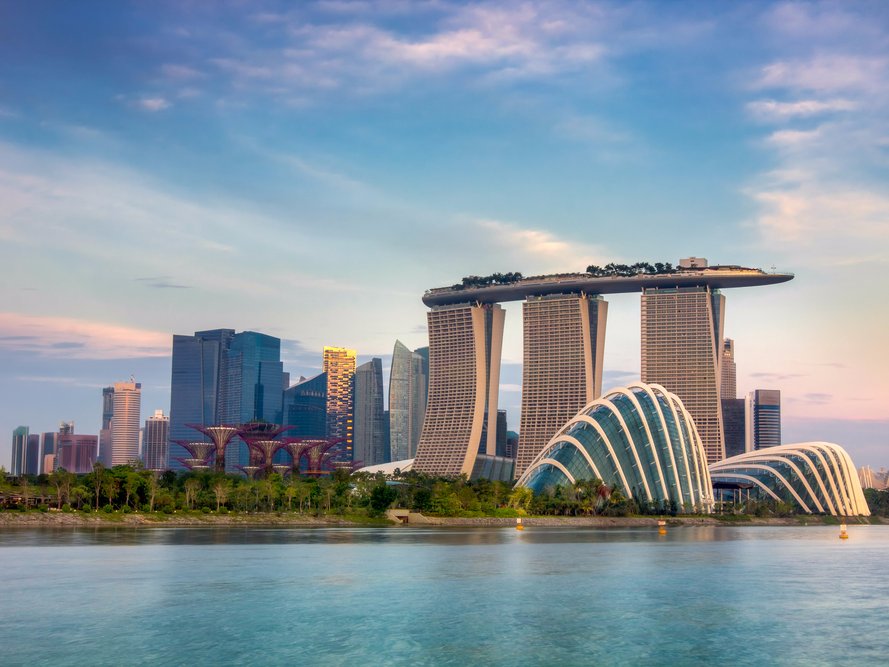
14. Singapore

Number of billionaires in 2015: 22
Number of billionaires in 2016: 27
city7

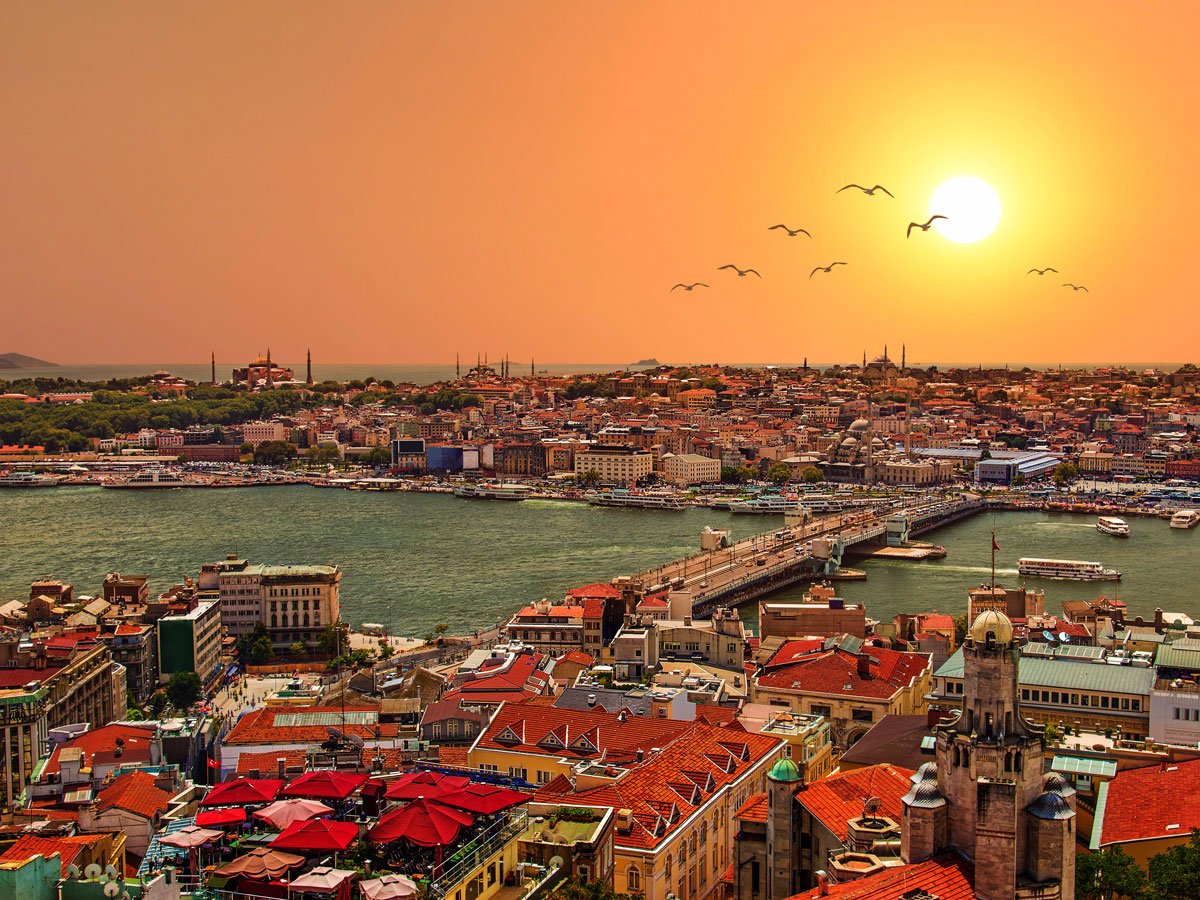
13. Istanbul, Turkey

Number of billionaires in 2015: 29
Number of billionaires in 2016: 28
city8

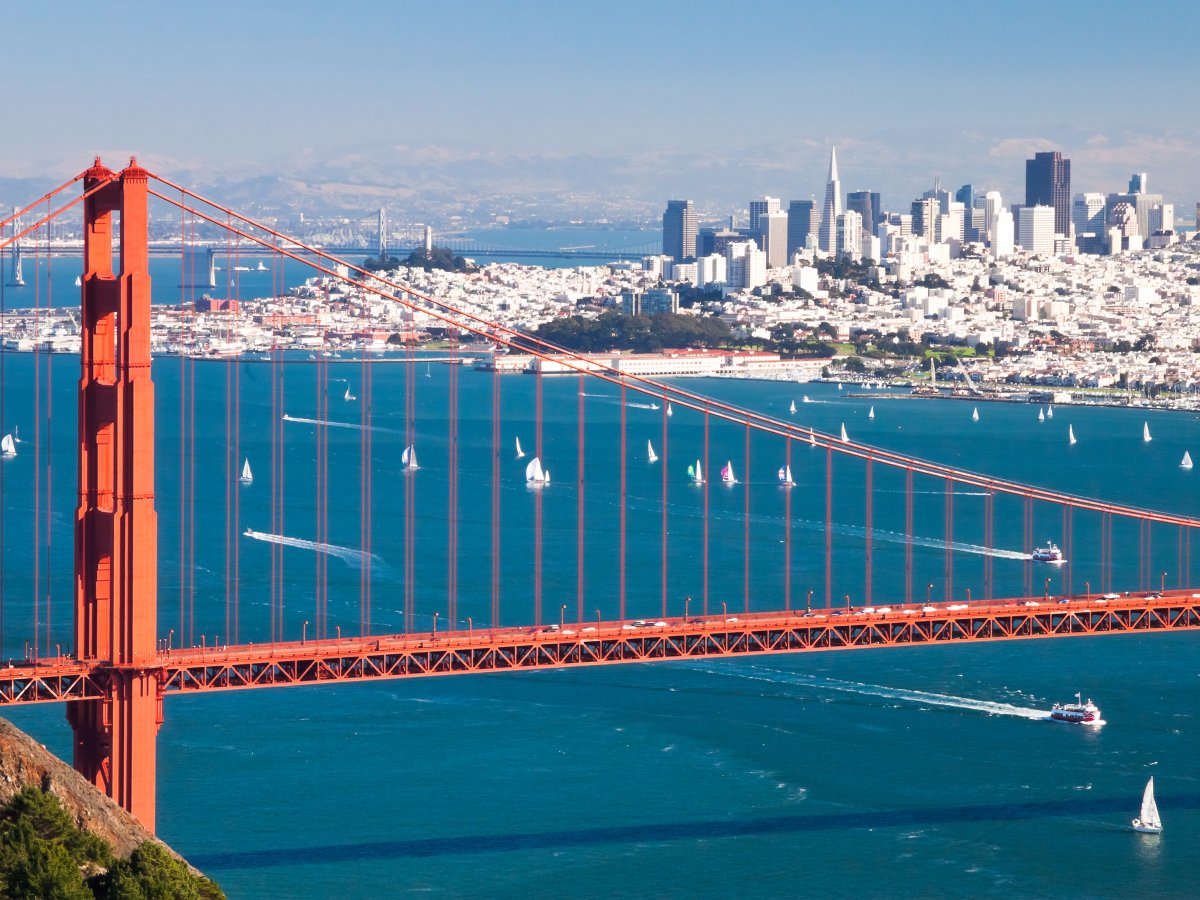
12. San Francisco, California

Number of billionaires in 2015: 26
Number of billionaires in 2016: 28
city9

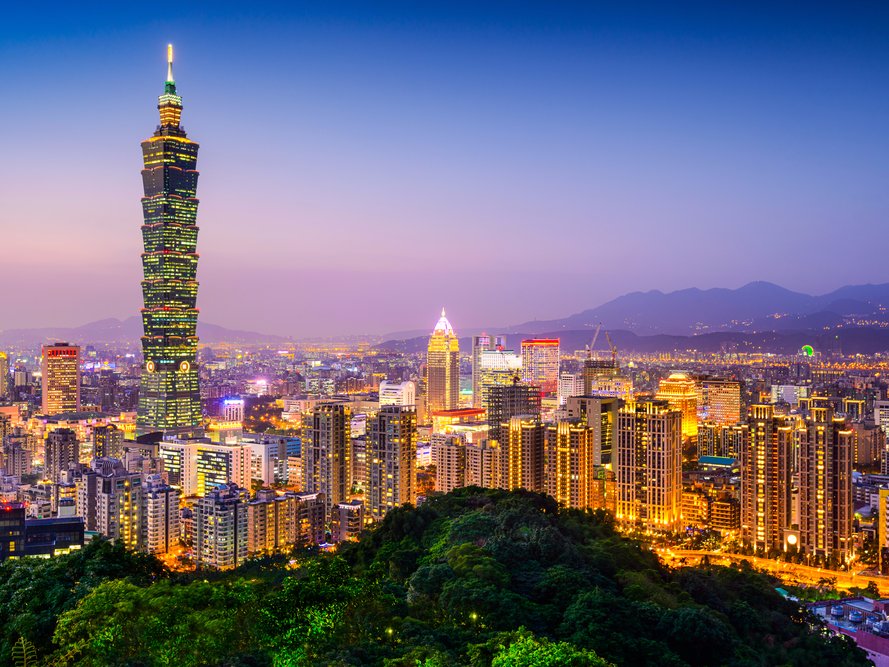
11. Taipei, Taiwan

Number of billionaires in 2015: 33
Number of billionaires in 2016: 23
city10

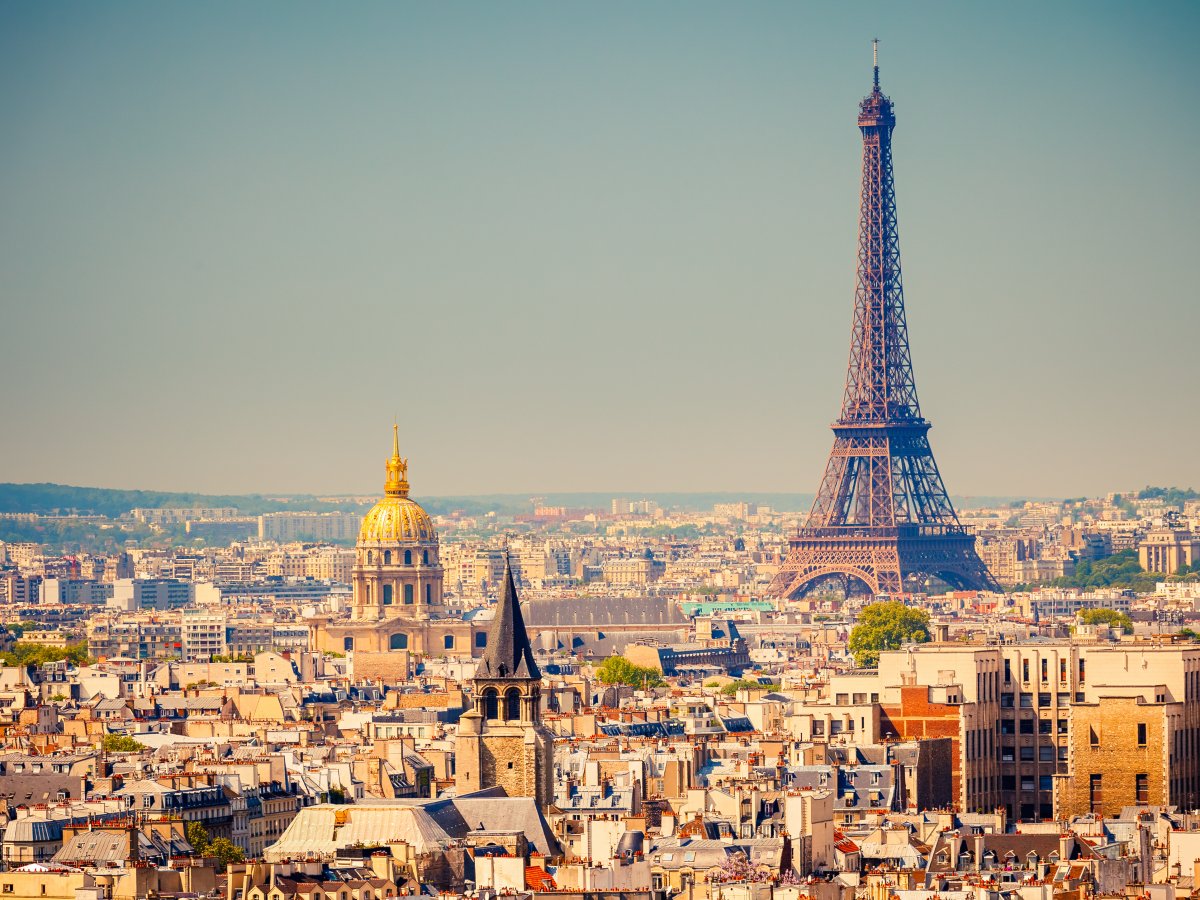
10. Paris, France

Number of billionaires in 2015: 30
Number of billionaires in 2016: 30
city11

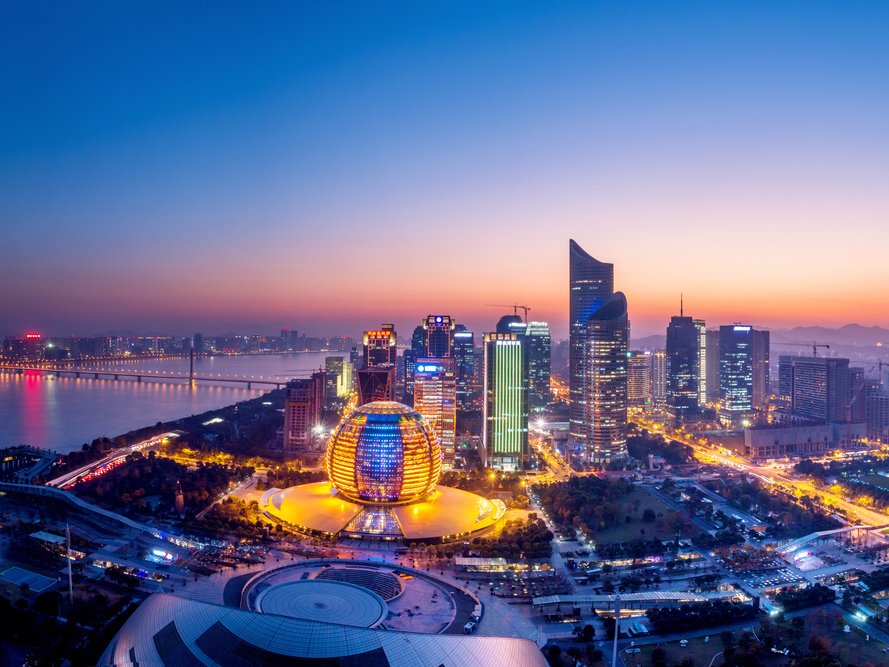
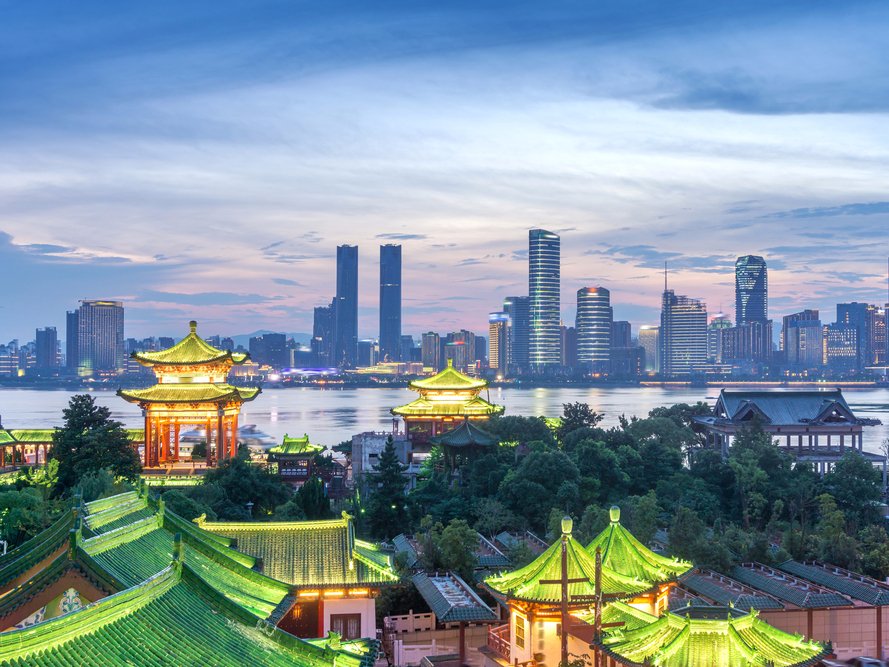
9. Hangzhou, China

Number of billionaires: 22
Change in number of billionaires from 2015: 32
city12

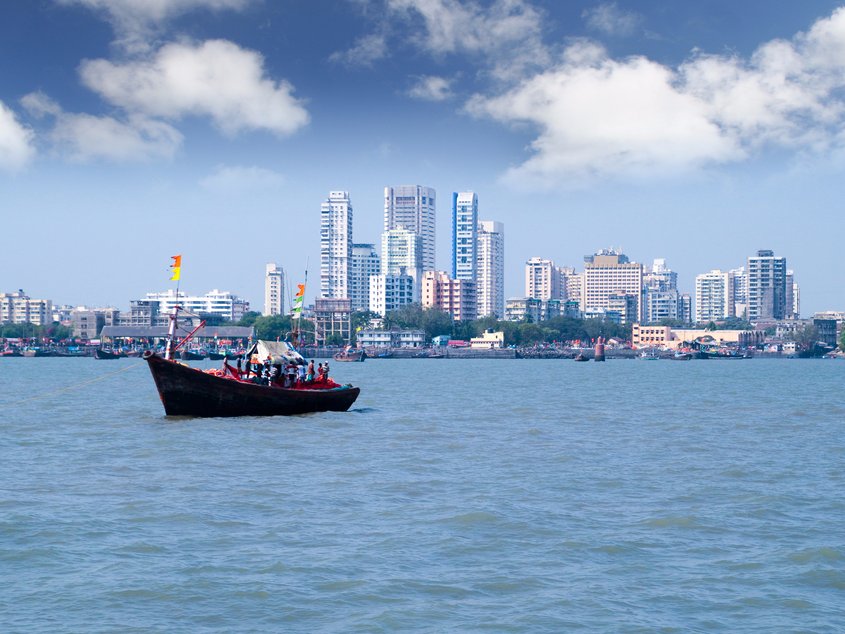
8. Mumbai, India (TIE)

Number of billionaires in 2015: 40
Number of billionaires in 2016: 45
city13

7. Shenzhen, China (TIE)

Number of billionaires: 34
Change in number of billionaires from 2015: 46
city14

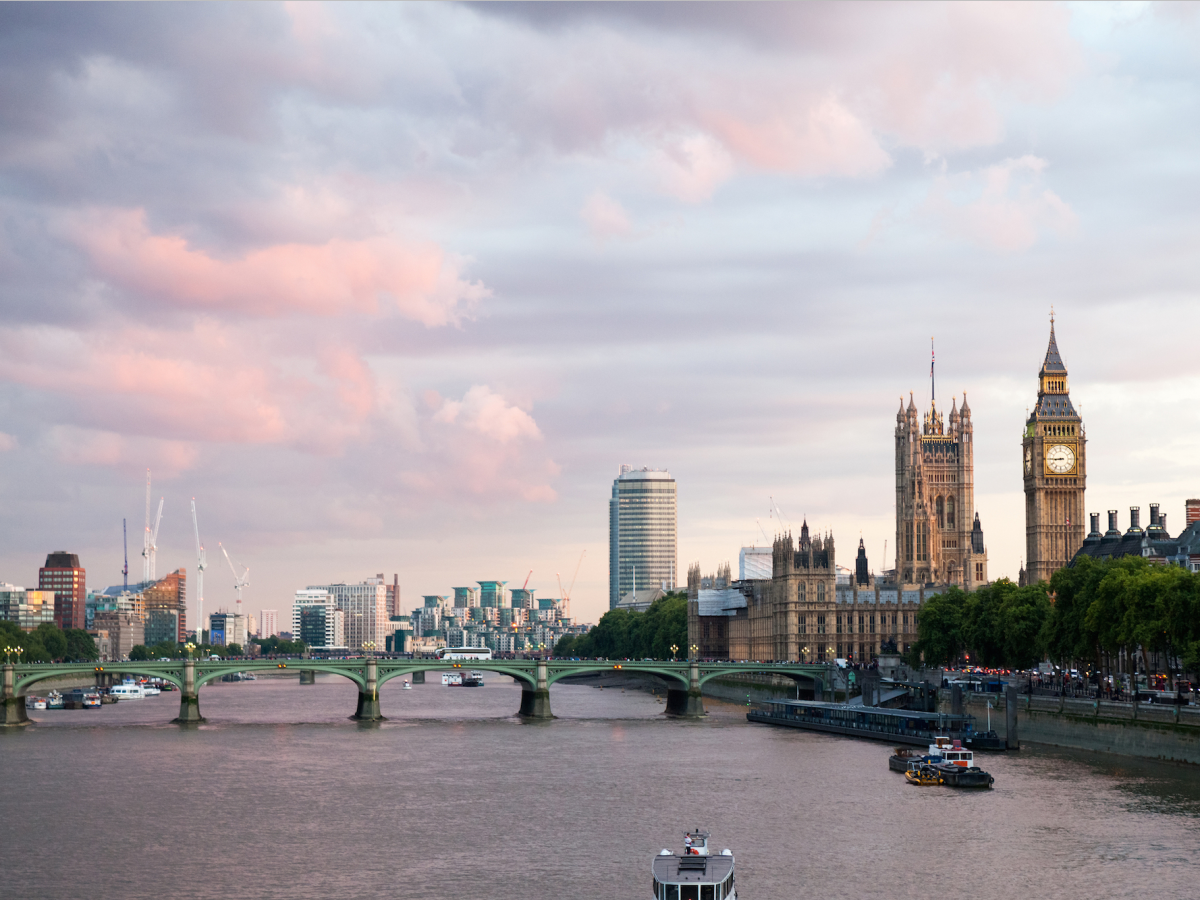
6. London, England

Number of billionaires in 2015: 49
Number of billionaires in 2016: 50
city15

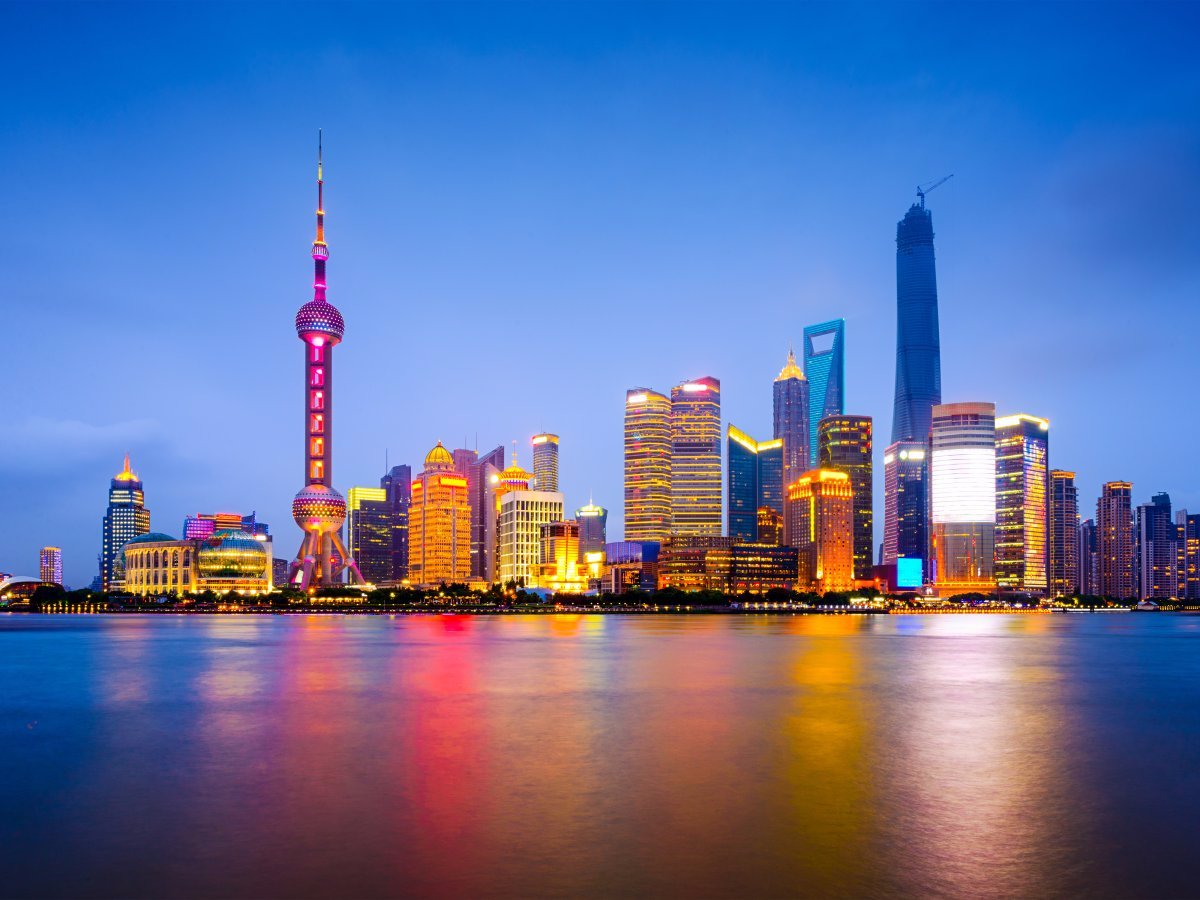
5. Shanghai, China (TIE)

Number of billionaires in 2015: 30
Number of billionaires in 2016: 50
city16

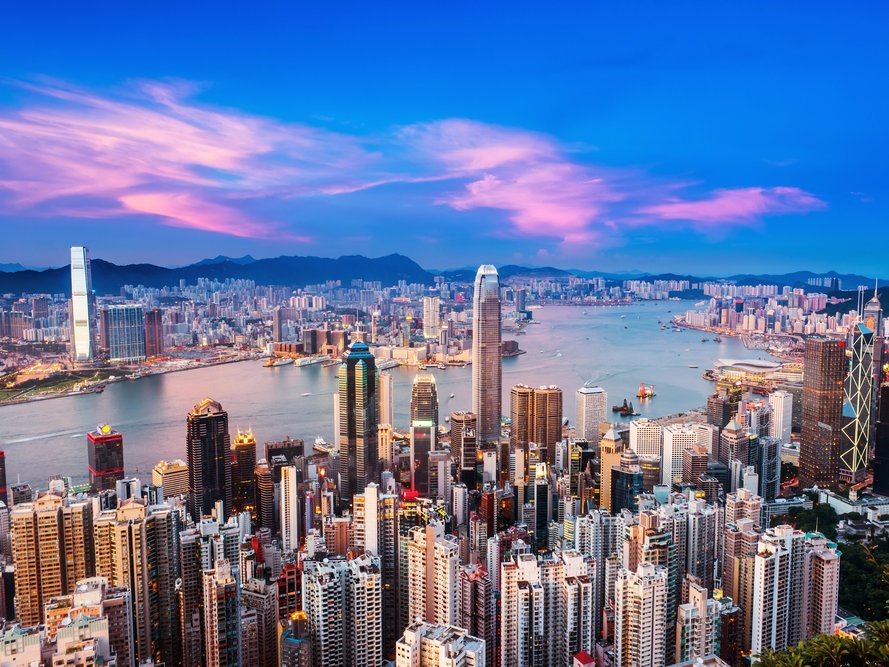
4. Hong Kong, China

Number of billionaires in 2015: 71
Number of billionaires in 2016: 64
city17

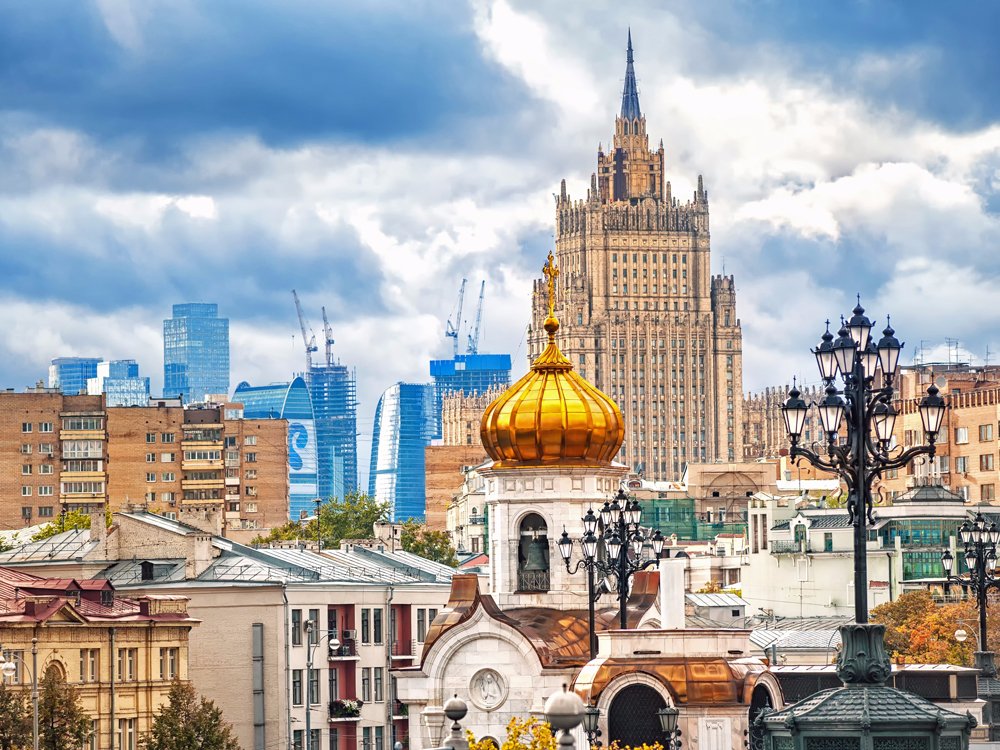
3. Moscow, Russia

Number of billionaires in 2015: 73
Number of billionaires in 2016: 66
city18

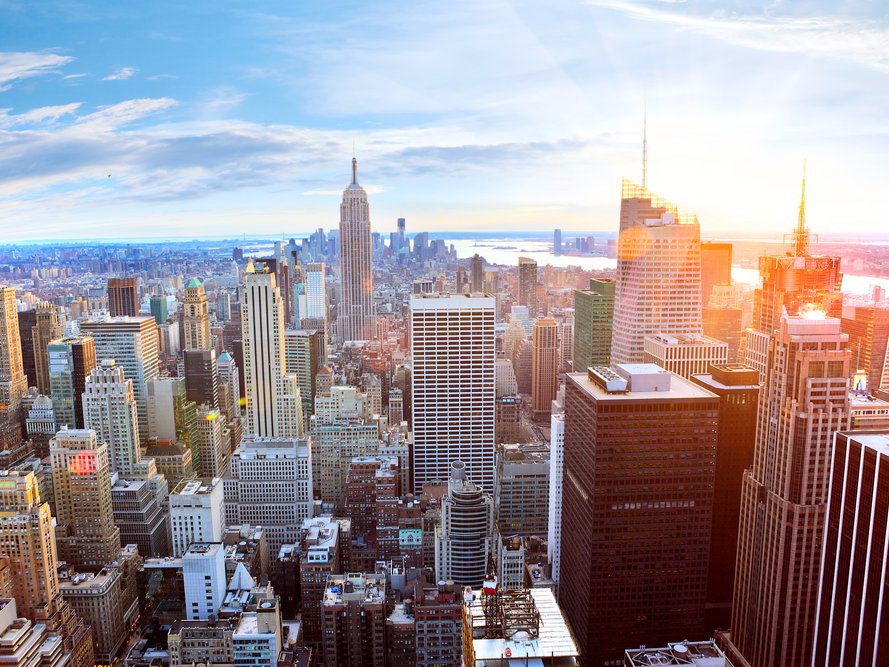
2. New York, New York

Number of billionaires in 2015: 91
Number of billionaires in 2016: 95
city19

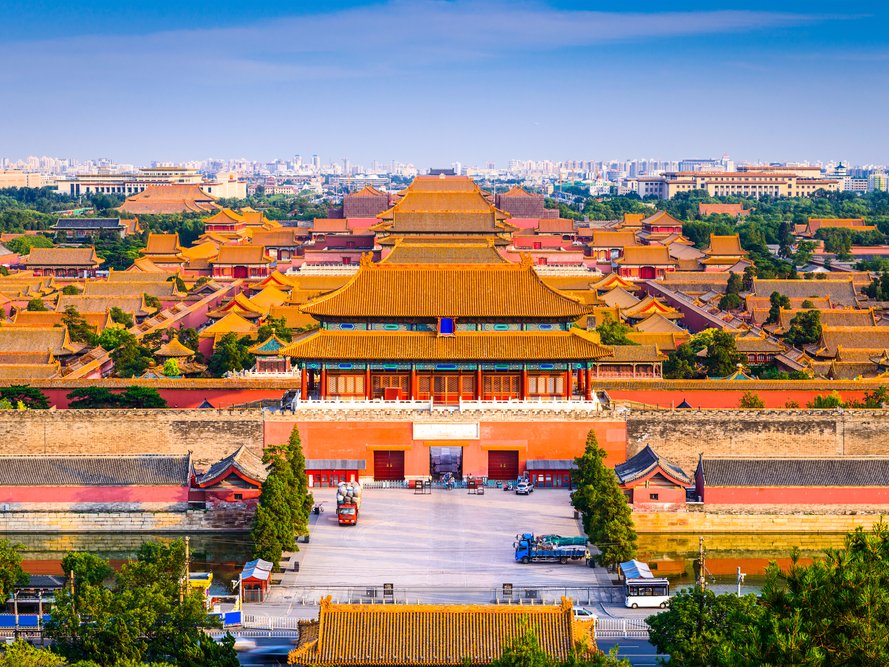
1. Beijing, China

Number of billionaires in 2015: 68
Number of billionaires in 2016: 100
city20