Tuesday, August 23, 2016

Facebook aims for video-loving teenagers with new app

Facebook

Facebook took direct aim at video-loving adolescents, and Snapchat, with the release of a new iPhone app that allows teens to watch clips about the lives of their classmates.
The app, called Lifestage, was released with no fanfare, and is available for anyone to download on iPhone, although seeing profiles of other users is reserved for those 21 years of age or younger.
The social network allows users to make video clips to describe likes, peeves, dance styles, and other aspects of their character.
Those clips are woven together to serve as public profiles that can be viewed by other Lifestage members, provided they are young enough.
A tool in the app lets users block and report older folks.
“Lifestage makes it easy and fun to share a visual profile of who you are with your school network,” the app’s iTunes store description says.
Once enough students at any given school are on the app, it becomes “unlocked.”
“Once your school is unlocked, you can access the profiles of others in your school community (and all over!) so you can get to know people better in your school and nearby schools,” the description said.
Lifestage users are invited to share video snippets whenever they wish.
The app comes as a challenge to Snapchat, the vanishing message service that became a hit with teenagers and which lets members share pictures and video clips.
Lifestage was seen by some as an effort by Facebook to stay connected to young internet users disinclined to take part in the leading social network.
Facebook did not return an AFP request for comment.
Earlier this month, Instagram put its own spin on a key Snapchat feature by letting users post “Stories” that eventually vanish from the Facebook-owned photo-and video-sharing app.
Instagram Stories encourages people to share ephemeral collages of everyday moments on the app which has built a reputation for allowing people to post highlights from their lives or artistic works.

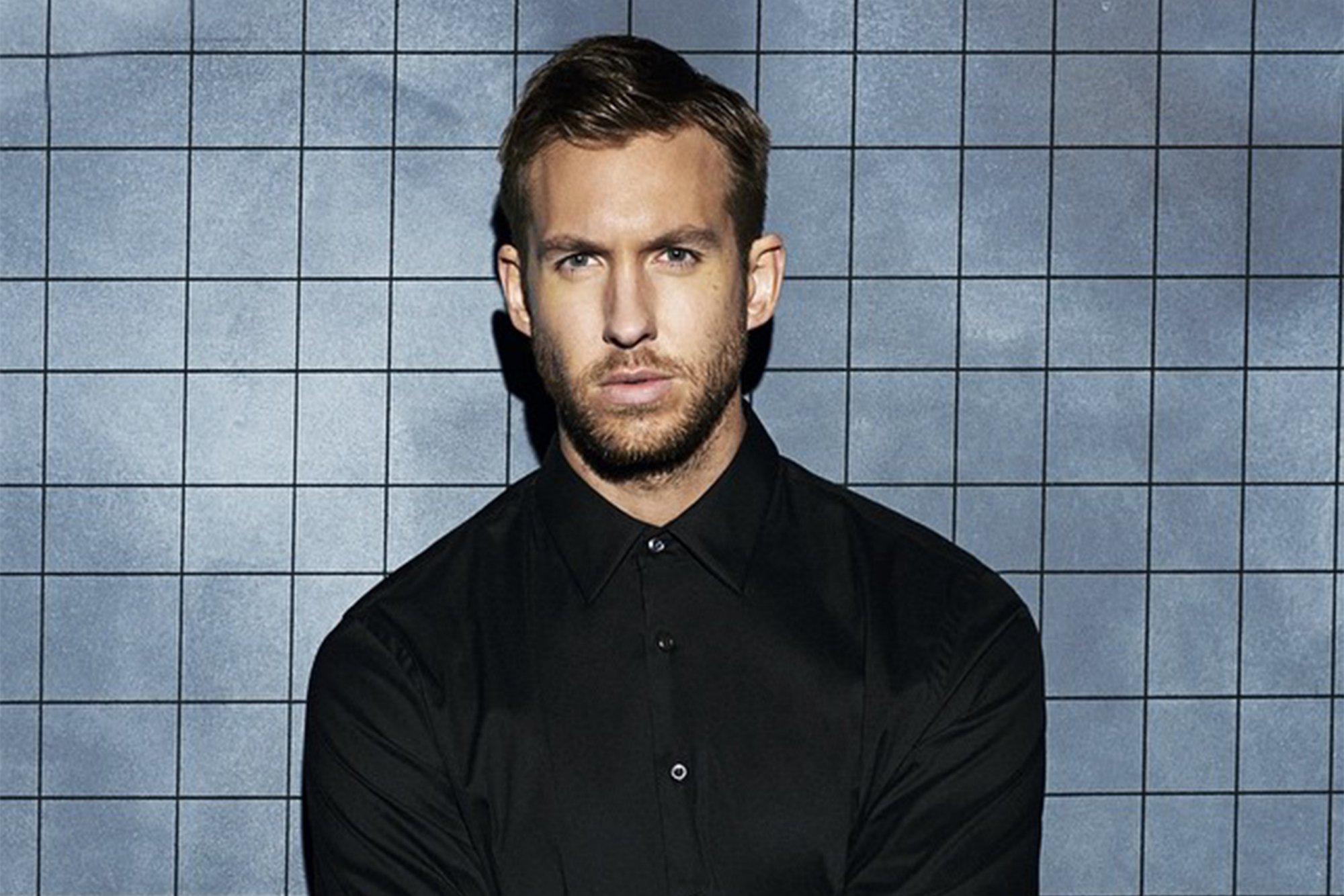
Calvin Harris named Forbes’ top earning DJ

calvin harris

Calvin Harris has been named the world’s highest-paid DJ for the fourth year in a row.
The ‘Summer’ hitmaker saw a $3 million dip in his annual income but still managed to make an estimated $63 million in pre-tax earnings in the period June 2015-June 2016, thanks in part to his Las Vegas residency, which nets him a staggering $400,000 per show.
The Scottish star’s earnings are far more than Tiësto, who took second place with $38 million after playing over 100 gigs in the last year, as well as an estimated seven-figure endorsement deal with 7-UP.
In third place was French DJ David Guetta, who also has a Las Vegas residency, with $28 million, thanks in part to scoring the Euro 2016 theme song.
Rounding out the top five were Zedd, with $24.5 million and Steve Aoki with $23.5 million.
Despite their vast sums seen by the earners on Forbes’ annual list, the financial bible report an overall decline of 1% in earnings on the top 10, the first time the figure has dropped since they began compiling the EDM chart in 2012.
Steve Aoki noted: “The bubble has already burst in America. You can see it in Vegas’ DJ landscape.”
A number of the DJs on the list made their money from other genres, such as Skrillex, who took seventh place with $20 million, having produced five of the tracks on Justin Bieber’s comeback album ‘Purpose’.
The top 10 featured no women, with the highest-earning female DJ group, Nervo – who co-wrote Guetta’s 2009 hit single ‘When Love Takes Over- earning a relatively small $10 million.
And the financial experts admit it is “bizarre” in modern times for women to seemingly be repeatedly overlooked by bookers.
Ryan Mac, who helped compile the list, told The Independent: “We’ve never had a woman actually crack the rankings ever…
“I’m not doing to the bookings so I really couldn’t say, but if you look at where earnings are being given it’s often at things like a Las Vegas residency where guys can get paid $200,000 per night and they do three or four shows a month.
“There are not a lot of women who have those residencies – Nervo, Krewella, but most are usually given to male DJs.
“If you look at festivals, a lot of female DJs aren’t headlining or toplining. This year it was big that Anna Lunoe was the first solo women to headline Electric Daisy Carnival in Las Vegas and Alice in Wonderland played the mainstage. It’s 2016 and it’s the first time that has happened. That’s bizarre to me.”
Forbes magazine’s 2016 list of highest-earning DJs:
1. Calvin Harris, $63 million
2. Tiësto, $38 million
3. David Guetta, $28 million.
4. Zedd, $24.5 million
5. Steve Aoki, $23.5 million
6. Diplo, $23 million
7. Skrillex, $20 million
8. Kaskade, $19 million
9. Martin Garrix, $16 million
10. Dimitri Vegas & Like Mike, $15.5 million